
Theological Terms and Resources

Below are brief descriptions of significant terms and resources you may encounter as you do research at the Allison Library. For a more extensive treatment of these and other terms, consult resources such as:

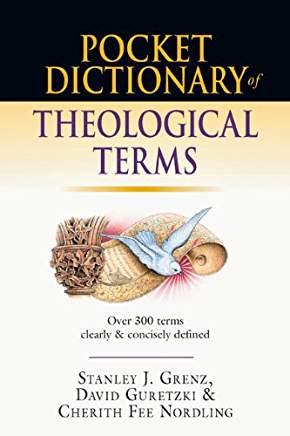
pocketdict
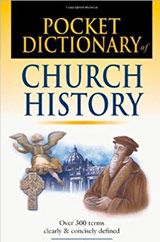
Pocket Dictionary of Church History
Essential Theological Terms
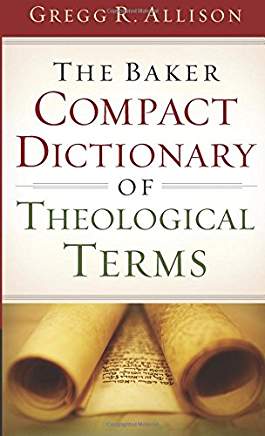
bakercompactdict
4 results found

Gnosticism

Gnosticism was an early Greek religious movement of broad proportions that was particularly influential in the second-century church. The word gnosticism comes from the Greek term gnosis, meaning “knowledge.” Gnostics believed that devotees had gained a special kind of spiritual enlightenment, through which they had attained a secret or higher level of knowledge not accessible to the uninitiated (Stanley J. Grenz, David Guretzki, and Cherith Fee Nordling. Pocket Dictionary of Theological Terms).
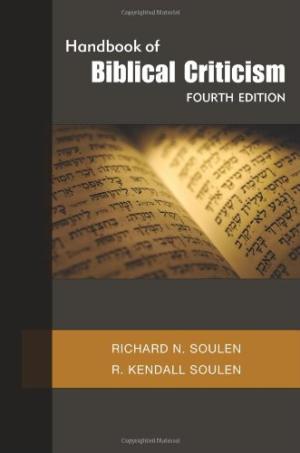
Handbook

Usually a general information source which provides quick reference for a given subject area. Some provide longer essay-type entries with bibliographies. Handbooks are generally subject-specific.

Examples:

Handbook of Biblical Criticism        A Kierkegaard Handbook

Hermeneutics

Hermeneutics is usually used to refer to a theory of or the study of interpretation. In philosophy this can refer to interpretation in general (of texts or reality) but in Biblical studies it refers to the specific study of Biblical interpretation and theories on how to interpret the Bible. Biblical hermeneutics may encompass exegesis, the act or method of interpretation, but is broader.

Homiletics

Homiletics refers to the theological discipline that seeks to understand the purpose and process of preparing and delivering sermons. Homiletics seeks to integrate an understanding of the place of the preacher, the sermon and the audience (Stanley J. Grenz, David Guretzki, and Cherith Fee Nordling. Pocket Dictionary of Theological Terms).